
AI-Enabled Sales: The Complete 2026 Guide To Transforming Revenue Performance With Intelligent Technology

Understanding AI-Enabled Sales in 2026
AI-enabled sales represents the integration of artificial intelligence technologies into every stage of the sales process from prospecting and lead qualification to coaching, forecasting, and closing. Unlike traditional sales tools that merely store data, AI-enabled sales platforms analyze behavior, predict outcomes, and provide actionable insights that drive measurable revenue growth.
Sales leaders in B2B organizations are increasingly recognizing that AI is no longer optional. According to Forrester's State of Sales Enablement Report, organizations that adopt AI-assisted sales processes see significant improvements in deal velocity and comparative performance metrics versus teams relying solely on manual methods. The report highlights that AI adoption directly correlates with shorter sales cycles and higher close rates, making it a strategic imperative for Chief Revenue Officers and Sales Managers focused on sustainable growth.
For sales leaders managing teams in Technology, Healthcare, and Financial Services, ai-enabled sales solutions address core challenges like ineffective cold calling, inconsistent objection handling, and weak discovery call execution. By leveraging machine learning, natural language processing, and predictive analytics, these platforms create scalable, standardized training environments that adapt to individual rep performance.
Key Components of AI-Enabled Sales Technology
Modern ai-enabled sales ecosystems consist of several interconnected capabilities that work together to enhance team performance and accelerate revenue outcomes.
AI-Powered Roleplay and Simulation
Traditional roleplay sessions are limited by availability of managers, lack of consistency, and the discomfort many reps feel practicing in front of peers. AI sales roleplay platforms eliminate these barriers by providing on-demand, judgment-free practice environments where reps can rehearse cold calls, discovery conversations, and objection handling scenarios as many times as needed.
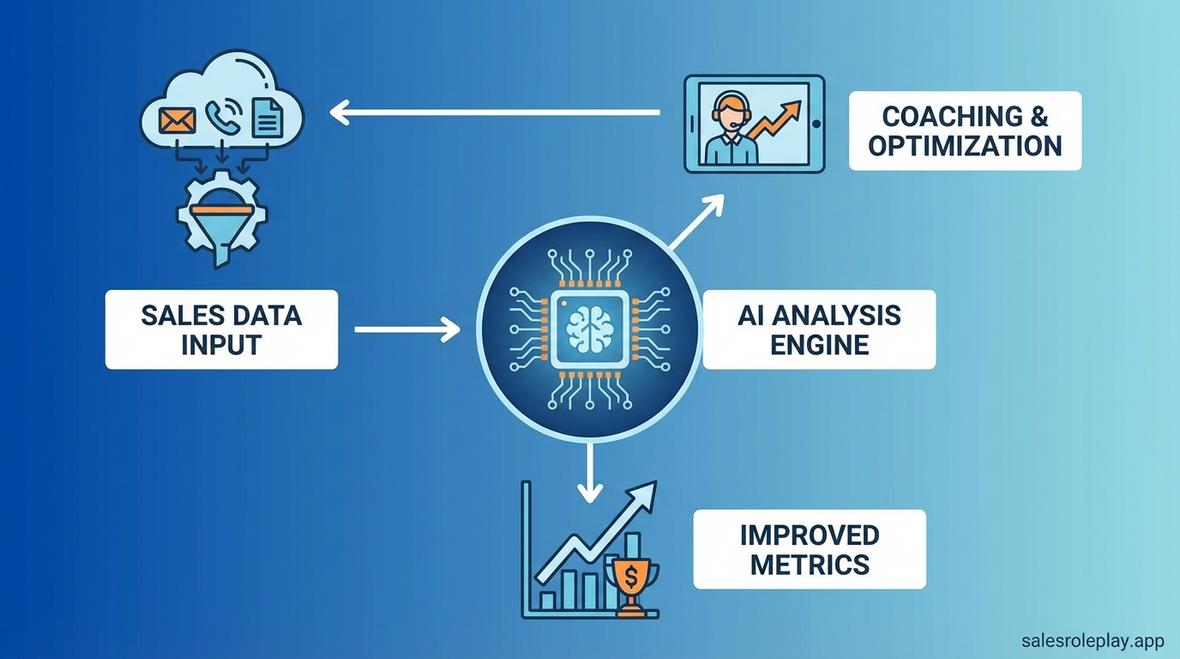
These platforms use conversational AI to simulate realistic buyer personas from skeptical procurement officers to enthusiastic early adopters allowing reps to experience the full spectrum of sales interactions. The AI analyzes speech patterns, objection handling techniques, question quality, and closing effectiveness, delivering instant feedback that accelerates skill development.
Intelligent Call Scoring and Analysis
AI call scoring technology evaluates recorded sales conversations across multiple dimensions: talk-to-listen ratio, question quality, objection handling, next-step commitment, and emotional intelligence. Unlike manual call reviews that take hours and provide subjective feedback, AI-enabled call analysis processes hundreds of conversations simultaneously and identifies specific improvement opportunities for each rep.
This capability is transformative for sales managers who previously spent entire afternoons reviewing calls. Now, they receive prioritized coaching alerts highlighting which reps need intervention and exactly where their conversations break down enabling data-driven coaching at scale.
Post-Sales Training and Reinforcement
The forgetting curve demonstrates that without reinforcement, sales reps lose up to 70% of new information within weeks of initial training. AI-enabled post-sales training platforms combat this through spaced repetition, microlearning modules, and just-in-time skill refreshers delivered when reps need them most.
These systems track performance data and automatically serve targeted practice scenarios when a rep struggles with a specific skill for example, triggering discovery call simulations when CRM data shows a rep is advancing unqualified opportunities.
The Impact of AI-Enabled Sales on Critical Performance Metrics
Sales leaders evaluating ai-enabled sales investments must understand how these technologies influence the metrics that matter most to revenue performance.
Reducing Ramp Time for New Hires
Traditional sales onboarding often requires 6-9 months before new reps reach full productivity. AI-powered training platforms compress this timeline significantly by providing unlimited practice opportunities without consuming manager time. New hires can practice hundreds of conversations before ever speaking to a real prospect, building confidence and competence simultaneously.
AI-driven sales onboarding programs create personalized learning paths that adapt to individual progress, ensuring reps master foundational skills before advancing to complex sales scenarios. This adaptive approach prevents the common problem of reps advancing through training programs without truly mastering essential skills.
Improving Close Rates Through Better Discovery
Poor discovery calls represent one of the biggest revenue leaks in B2B sales. When reps fail to uncover true pain points, identify decision-makers, or establish clear success criteria, deals stall or are lost to 'no decision.' AI-enabled sales platforms provide targeted discovery call training that teaches reps to ask better questions and truly listen to prospect responses.
Discovery call training programs powered by AI analyze thousands of successful discovery conversations to identify the question sequences, listening patterns, and qualification techniques that correlate with closed deals. Reps then practice these proven approaches in realistic simulations until they become second nature.
Standardizing Objection Handling Across Teams
Inconsistent objection handling creates unpredictable revenue outcomes. When some reps confidently address pricing concerns while others crumble, forecast accuracy suffers and deal velocity slows. AI-powered objection handling training ensures every team member masters proven responses to common objections.
These platforms identify the specific objections each rep struggles with and automatically serve targeted practice scenarios. Advanced systems even generate new objection variations to prevent reps from simply memorizing scripts, forcing them to develop genuine understanding of how to reframe concerns and advance conversations.
Implementing AI-Enabled Sales Technology: A Strategic Framework
Successful adoption of ai-enabled sales technology requires more than purchasing software it demands strategic planning, change management, and continuous optimization.
Assessing Your Current Sales Performance Challenges
Before selecting an AI sales platform, conduct a thorough audit of your team's specific performance gaps. Are reps struggling with cold calling confidence? Is discovery call quality inconsistent? Do objections derail otherwise strong opportunities? Different AI solutions excel in different areas, so clarity on your priority challenges ensures you select the right technology.
Analyze CRM data to identify where deals typically stall, review call recordings to spot common conversation breakdowns, and survey your sales team to understand where they feel least confident. This data-driven approach ensures your AI investment addresses actual performance barriers rather than perceived ones.
Selecting the Right AI-Enabled Sales Platform
Not all AI sales platforms are created equal. When evaluating options, consider these critical factors:
- Conversational Realism: Does the AI sound natural and respond contextually, or does it follow rigid scripts?
- Scenario Customization: Can you create custom scenarios that reflect your specific products, buyer personas, and sales methodology?
- Integration Capabilities: Does the platform connect with your CRM, call recording tools, and learning management systems?
- Reporting Depth: Do you receive actionable coaching insights, or just superficial activity metrics?
- Mobile Accessibility: Can reps practice on their phones during downtime, or is training limited to desktop sessions?
For comprehensive AI sales training that addresses multiple use cases from cold calling practice to pre-call preparation platforms like SalesRoleplay.app offer integrated solutions designed specifically for B2B sales teams.
Driving Adoption and Sustained Engagement
Technology alone does not change behavior you must actively drive adoption through leadership commitment, accountability systems, and cultural reinforcement. Start by having your top performers use the platform first and share their positive experiences. Create friendly competition through leaderboards and recognition programs that celebrate practice volume and skill improvement.
Sales leaderboards gamify the training experience, tapping into competitive motivation while making skill development visible across the organization. When practice becomes part of your sales culture rather than an occasional requirement, the performance gains compound over time.
Industry-Specific Applications of AI-Enabled Sales
Different industries face unique sales challenges that ai-enabled sales technology addresses in specialized ways.
Technology and SaaS Sales
Technology sales cycles involve complex products, multiple stakeholders, and lengthy evaluation processes. AI-enabled sales training for technology companies focuses on consultative selling skills, technical objection handling, and navigating committee-based decisions. Reps practice explaining complex features in business terms and handling technical gatekeepers who challenge product capabilities.
Healthcare and Medical Device Sales
Healthcare sales require deep clinical knowledge, relationship-building with physicians, and navigation of complex institutional procurement processes. AI sales training for medical device reps includes scenarios involving skeptical clinicians, value-based care discussions, and regulatory compliance topics. The AI can simulate physician objections based on clinical research, forcing reps to defend their products with evidence-based arguments.
Financial Services Sales
Financial services sales teams must balance relationship development with regulatory compliance, making traditional roleplay challenging. AI-enabled platforms provide compliant training scenarios that teach consultative selling while ensuring reps never make prohibited statements. The technology can flag compliance risks in real-time during practice sessions, building proper habits before reps engage real prospects.
The Future of AI-Enabled Sales: Emerging Trends for 2026 and Beyond
As artificial intelligence continues advancing, several emerging capabilities will further transform sales effectiveness.
Emotional Intelligence and Sentiment Analysis
Next-generation ai-enabled sales platforms are incorporating emotional intelligence coaching, analyzing voice tone, pacing, and sentiment to help reps develop empathy and adapt their communication style to prospect emotional states. This technology identifies when reps sound rushed, defensive, or disengaged, providing specific feedback on how to project confidence and build genuine rapport.
Predictive Deal Coaching
AI systems are beginning to analyze patterns across thousands of deals to predict which opportunities are at risk and automatically trigger targeted coaching interventions. If a rep's discovery call analysis shows they missed key qualification questions, the system automatically assigns relevant practice scenarios before the next conversation, preventing small mistakes from becoming lost deals.
Real-Time Conversation Guidance
While still emerging, some platforms are experimenting with real-time AI coaching that provides live suggestions during actual sales calls. These systems listen to conversations and surface relevant battle cards, objection responses, or next-best questions in real-time, functioning as an invisible sales assistant that helps reps navigate difficult conversations successfully.
Measuring ROI from AI-Enabled Sales Investments
Chief Revenue Officers and Sales Managers must justify technology investments with clear return-on-investment metrics.
Quantitative Metrics to Track
- Ramp Time Reduction: Measure time-to-first-deal and time-to-quota for new hires before and after AI training implementation
- Win Rate Improvement: Track close rates across different deal stages and sales motions
- Activity Quality Metrics: Monitor discovery call scores, objection handling success rates, and next-step commitment rates
- Forecast Accuracy: Measure whether AI-trained reps generate more accurate pipeline forecasts
- Customer Acquisition Cost: Calculate whether AI training reduces CAC through improved efficiency
Qualitative Indicators of Success
Beyond hard metrics, successful AI adoption produces observable cultural changes: reps proactively seeking practice opportunities, managers spending less time on basic skill coaching, and increased confidence evident in prospect interactions. Sales leaders should conduct regular team surveys to assess confidence levels and perceived skill development.
Overcoming Common Implementation Challenges
While ai-enabled sales technology delivers substantial benefits, organizations often encounter predictable obstacles during implementation.
Resistance from Experienced Reps
Veteran salespeople sometimes resist AI training, believing their experience makes practice unnecessary. Address this by positioning AI as a tool for maintaining peak performance, similar to how professional athletes practice daily despite years of experience. Involve top performers in scenario development so they see the platform as amplifying rather than replacing their expertise.
Integration with Existing Tech Stack
Sales organizations often operate complex technology environments with CRMs, sales engagement platforms, call recording tools, and learning management systems. Ensure your chosen AI platform offers robust integration capabilities or open APIs that allow data flow between systems. This integration enables automated coaching triggers based on real sales activity rather than requiring manual data entry.
Best Practices for Sustained AI-Enabled Sales Success
Organizations that achieve lasting performance improvements from AI sales technology follow several key practices:
- Executive Sponsorship: Ensure visible commitment from sales leadership, including regular participation in training programs
- Continuous Content Updates: Regularly refresh scenarios to reflect new competitors, product features, and market conditions
- Manager Accountability: Make coaching on AI-identified skill gaps a core manager responsibility with clear expectations
- Celebration and Recognition: Publicly celebrate reps who demonstrate skill improvement and practice commitment
- Data-Driven Iteration: Continuously analyze which scenarios and coaching interventions produce the strongest performance gains
By embedding AI-powered sales coaching into your daily operations rather than treating it as a one-time training event, you create sustainable performance improvement that compounds over quarters and years.
Conclusion
AI-enabled sales represents a fundamental shift in how organizations develop sales talent and drive revenue performance. By providing unlimited practice opportunities, instant feedback, and data-driven coaching insights, these platforms address the core challenges that have limited sales effectiveness for decades: inconsistent training, limited manager bandwidth, and lack of safe practice environments. For sales leaders in B2B organizations, investing in ai-enabled sales technology is no longer about competitive advantage it is about competitive survival. Organizations that embrace these tools will develop higher-performing teams, shorter ramp times, and more predictable revenue outcomes, while those that delay adoption will find themselves increasingly unable to compete for top talent and market share. The future of sales belongs to teams that combine human relationship skills with AI-powered preparation and continuous improvement.
Ready to Transform Your Sales Training?
See how Salesroleplay can help you transform your sales training.